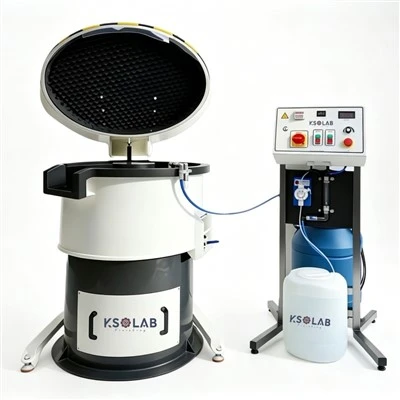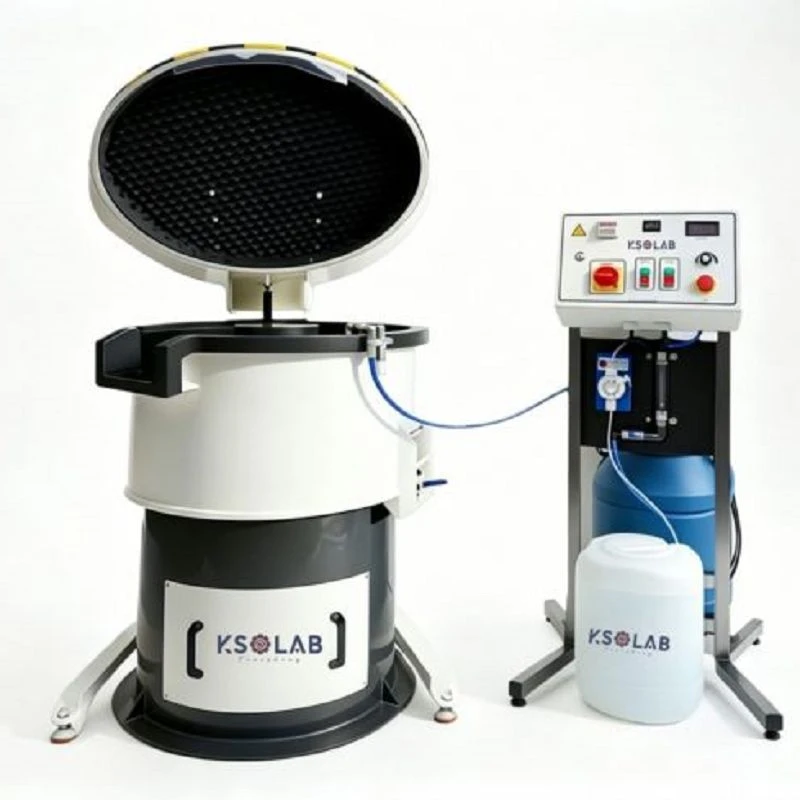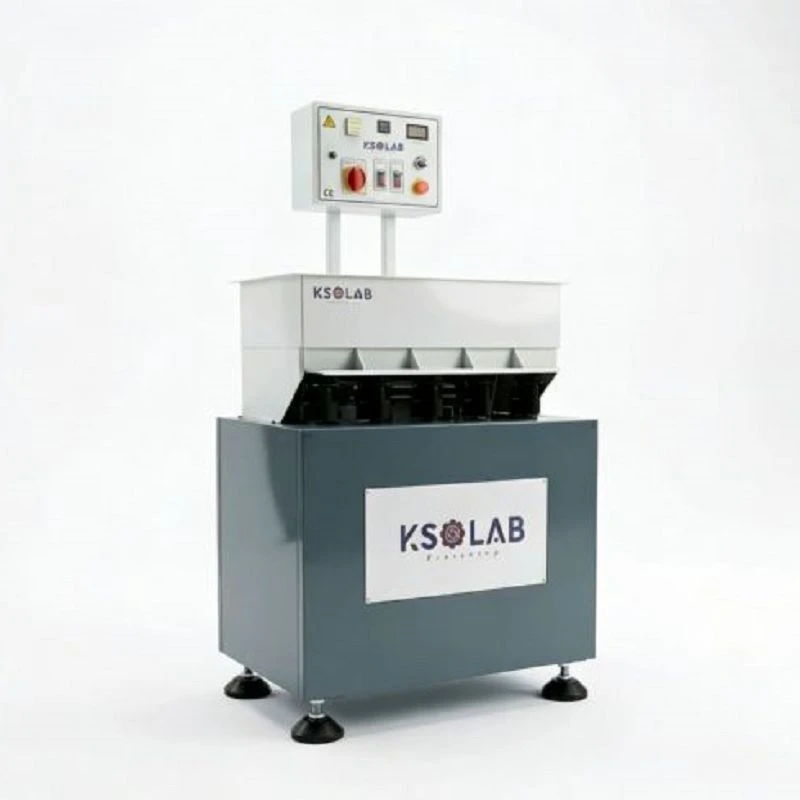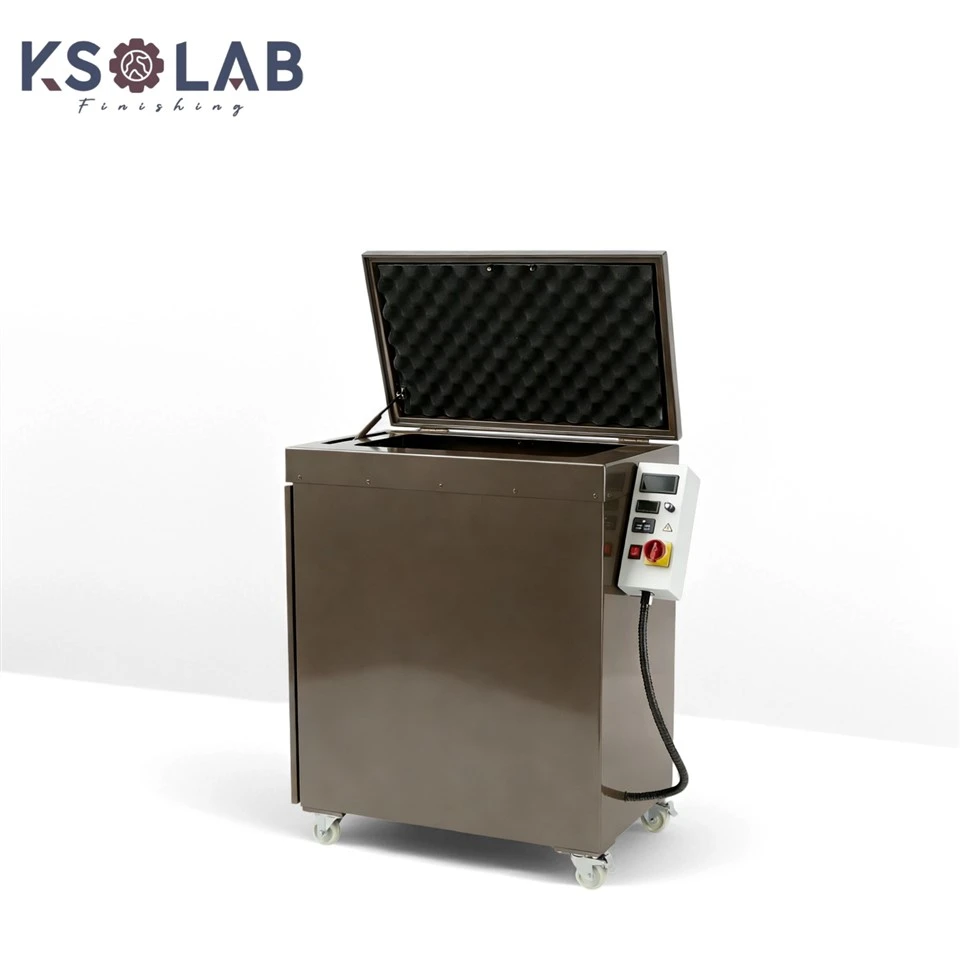
Based on industry research and market analysis published by organizations such as the China Surface Engineering Association and the China Machinery Industry Federation, the current dry polishing machine industry exhibits the following core characteristics:
Key Industry Indicators:
* Processing Efficiency: Typically measured by the number or weight of workpieces processed per unit time, directly related to equipment power, drum design, and motion mode.
* Surface Treatment Quality: Includes roughness (Ra value), gloss consistency, deburring, and chamfering effects, and is a core measure of equipment performance.
* Environmental Compliance: Waterless and chemical-free pure physical grinding processes have become a basic entry barrier to the industry and a core selling point of the equipment.
* Automation Level and Ease of Operation: Whether the equipment has PLC automatic control, the user-friendliness of the human-machine interface, and the skill requirements for operators.
Comprehensive Industry Characteristics: The dry polishing machine industry is rapidly evolving from traditional semi-automated, high-pollution models to fully automated, green, and clean production. Technological competition focuses on how to achieve more thorough and uniform polishing of complex, irregularly shaped workpieces and deep-cavity structures through mechanical structural innovation (such as planetary and centrifugal tumbling) and abrasive media optimization. Meanwhile, equipment manufacturers are shifting from simply selling hardware to providing comprehensive solutions combining equipment and process technologies.
Main Application Scenarios and Precautions: Application Scenarios: Widely applicable to batch deburring, chamfering, and mirror polishing of hardware parts, irregularly shaped parts, and precision structural components (such as aerospace, military, and machinery parts) made of stainless steel, copper, aluminum, iron, alloys, etc. Precautions: Workpiece Compatibility: The appropriate machine model must be selected based on the workpiece's size, shape, material, and batch size, matching the drum volume and motion mode. Process Validation: For high-value or special-requirement workpieces, sample testing is recommended to determine the optimal abrasive ratio, processing time, and other process parameters. Long-Term Operating Costs: The energy consumption of the equipment, abrasive consumption and reusability, maintenance frequency, and replacement costs of vulnerable parts must be comprehensively considered.