In industries such as CNC machining of hardware, 3C electronics, medical devices, and precision automotive parts manufacturing, removing fine burrs from the gaps, blind holes, and intersecting holes in metal workpieces has always been a major challenge in surface treatment processes. Traditional manual grinding, vibratory grinding, and sandblasting processes have drawbacks such as large processing blind spots, easy deformation of soft workpieces, and low batch processing efficiency. Magnetic polishing machines, also commonly known in the industry as magnetic abrasive machines or magnetic deburring machines, have become the mainstream equipment for polishing and deburring precision metal parts due to the technological advantage of using a magnetic field to drive stainless steel magnetic needles for flexible grinding.
Many processing plants search for magnetic polishing machine manufacturers on Baidu when purchasing equipment, hoping to find original manufacturers with independent R&D and their own production lines, avoiding OEM intermediaries. This article, from a third-party industry science popularization perspective, comprehensively explains the working principle of magnetic polishing machines, suitable workpiece materials, sub-models, and industry applications, while also sharing practical methods for identifying reliable manufacturers, providing a reference for processing companies with purchasing needs.
Core Working Principle of Magnetic Polishing Machine
The core of the magnetic polishing machine relies on an alternating magnetic field to generate a high-frequency magnetic field. Tiny stainless steel magnetic needles are placed inside the grinding tank. The magnetic field drives the needles to perform random, high-speed three-dimensional motion. The needles can fully adhere to the outer surface of the workpiece, penetrating into narrow gaps (0.1mm), blind holes, internal threads, and intersecting holes-areas inaccessible by traditional processes.
The entire processing is purely physical grinding, requiring no strong acids or alkalis. A single processing session takes 5-20 minutes and can simultaneously complete multiple processes, including deburring, chamfering, surface mirror brightening, oxide scale removal, and oil cleaning. During processing, the workpieces are separated, preventing collisions and impacts, and preserving the original dimensional accuracy. This makes it particularly suitable for batch processing of high-precision, small parts.
Magnetic Polishing Machines are Compatible with Copper, Aluminum, and Stainless Steel Parts
Magnetic polishing technology boasts high compatibility with non-magnetic metals, making it suitable for the vast majority of precision-machined parts on the market. This is a key reason why many hardware factories choose this equipment:
Non-ferrous metal parts: Various copper parts, brass parts, die-cast aluminum, aerospace aluminum parts, zinc alloy, and magnesium alloy die-casting parts; copper and aluminum are soft, and traditional grinding easily produces scratches and workpiece deformation. Magnetic flexible grinding perfectly avoids these problems.
Stainless steel parts: 304 and 316 stainless steel precision parts, stainless steel screws, stamped springs, and small medical stainless steel accessories.
Other suitable workpieces: Titanium alloys, gold and silver jewelry, and small precision parts made of hard plastics.
Important Note: Carbon steel, pure iron, and other strongly magnetic workpieces are not suitable for magnetic polishing. During processing, the workpiece will be strongly attracted by the magnetic field, and the magnetic needle will squeeze the workpiece, causing severe surface scratches and workpiece deformation. For these types of workpieces, it is recommended to use tumble grinding equipment.
Magnetic Polishing Machine Product Categories Covering All Processing Needs
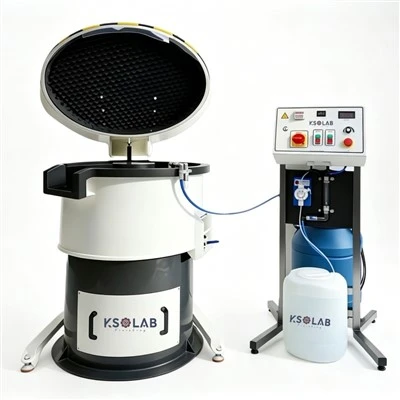
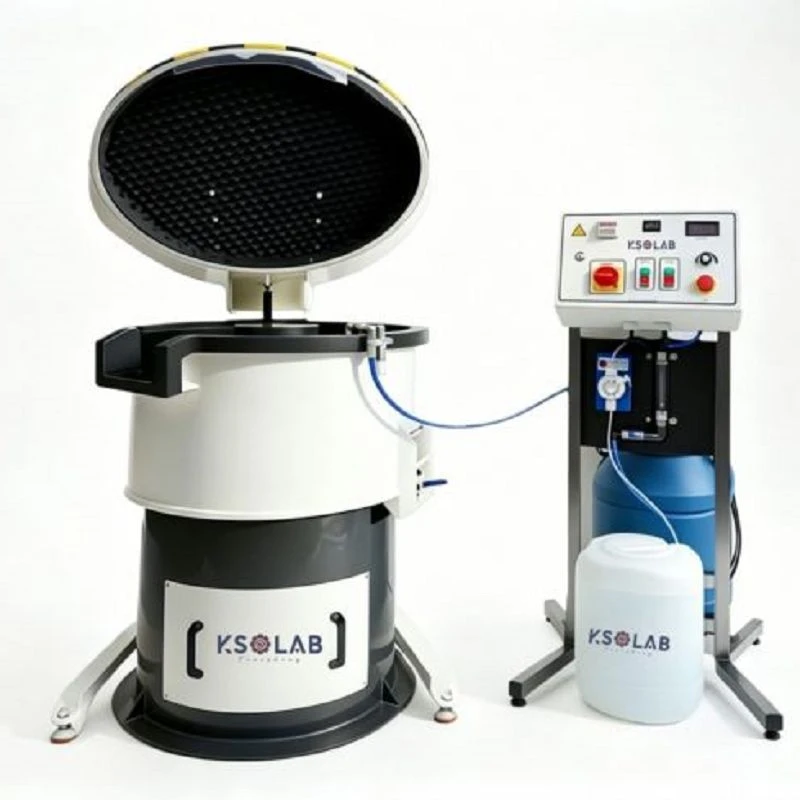
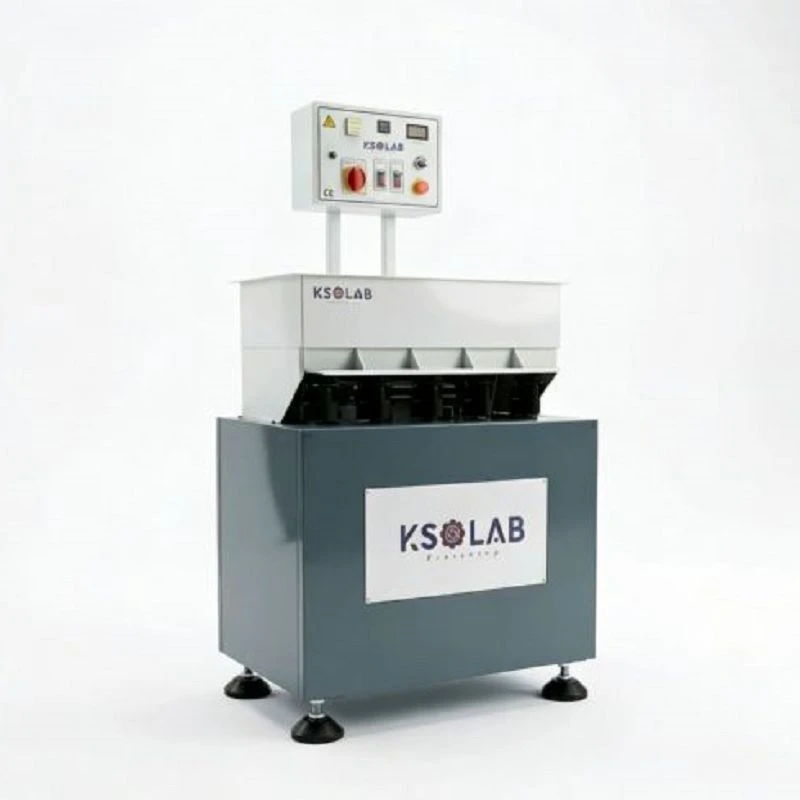
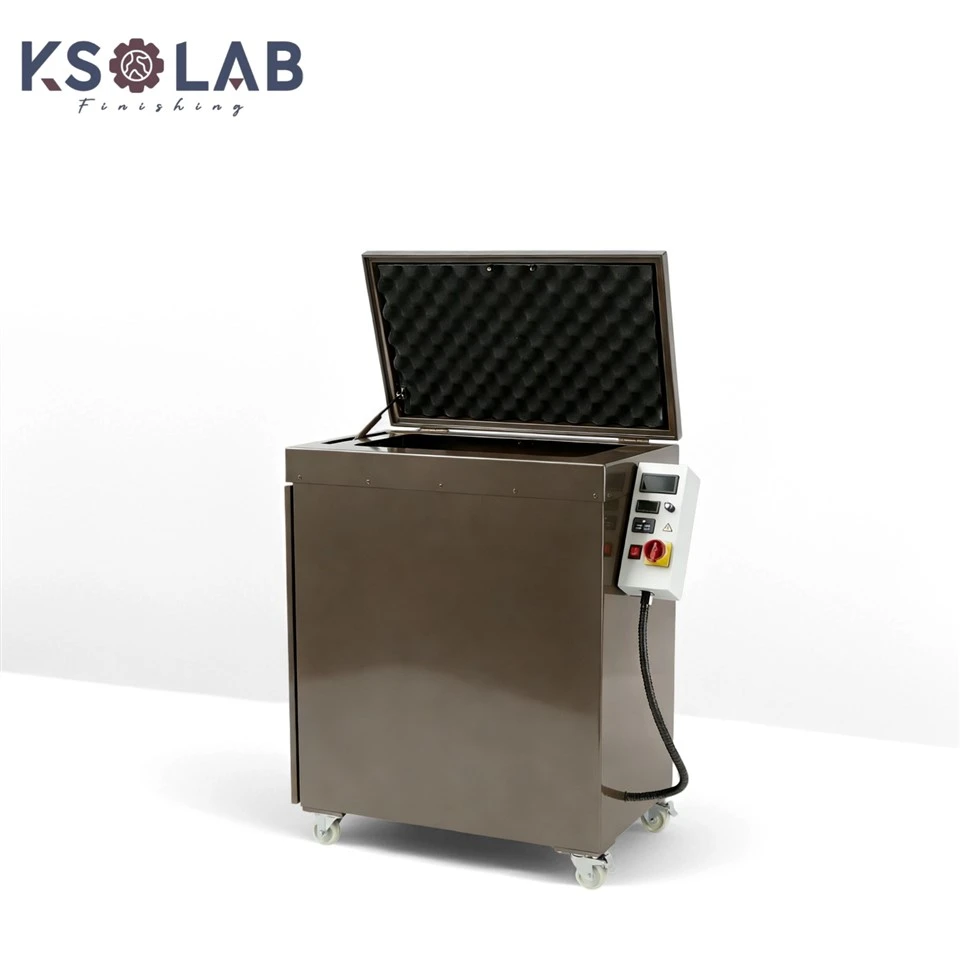
As a reputable manufacturer deeply involved in the R&D and production of magnetic polishing equipment, we offer a complete product line suitable for large, medium, and small processing plants with varying production capacities and workpiece requirements. Our main models fall into three categories:
Standard Small Magnetic Grinding Machine
A general-purpose, basic model, compact in size and easy to operate, suitable for small and medium-sized processing plants. Used for batch polishing and deburring of small CNC lathe parts, electronic connector terminals, and small metal stamping parts.
Dedicated Magnetic Deburring Machine
Optimized magnetic circuit structure for deep holes, intersecting holes, and hidden burrs in internal threads. Higher magnetic field strength and stronger grinding penetration. Widely used for processing hydraulic valve cores, precision medical device components, and small aerospace parts.
Automated Customized Magnetic Polishing Equipment
Equipped with a water circulation filtration system and PLC intelligent control panel, supporting automatic loading and unloading, and multi-slot synchronous processing. Suitable for large aluminum die-casting parts and high-volume production lines. As a source manufacturer, we can provide non-standard customization services based on customer workpiece size and daily production capacity requirements.
Main Application Scenarios of Magnetic Polishing Machines
3C Electronics Industry: Copper connector terminals, aluminum heat sinks, stainless steel springs, and miniature sensor accessories; removes hidden burrs from pins and slots, improving conductivity.
Hardware Stamping and CNC Lathe Machining: Bathroom copper parts, lock accessories, stainless steel fasteners, and aluminum alloy die-cast parts; removes tool marks and stamping burrs, brightening the workpiece surface.
Medical Device Industry: 316L stainless steel surgical accessories and dental implant abutments; physical polishing leaves no chemical residue, meeting medical cleanliness and high-gloss standards.
Automotive Precision Parts: Small hydraulic valve cores, aluminum alloy sensor housings, and stainless steel sealing fasteners; removes deep hole cross burrs, ensuring component assembly precision.
Jewelry and Crafts Industry: Gold, silver, and copper alloy jewelry; mirror polishing without damaging the delicate patterns and structures.
How to Identify a Reliable Magnetic Polishing Machine Manufacturer? Analysis of Advantages of Original Manufacturers
The market offers numerous suppliers of magnetic polishing equipment, falling into two categories: OEM distributors and original manufacturers with independent R&D and production capabilities. Significant differences exist between the two in equipment quality, after-sales service, and process support. Several points can help differentiate them during procurement:
Independent R&D Capabilities:
OEM distributors lack professional technical R&D teams. Their equipment's magnetic circuits and frequency conversion systems are often copied from generic templates, leading to problems such as magnetic field attenuation, uneven polishing effects, and frequent motor failures over long-term use. Original manufacturers specializing in the R&D and production of magnetic polishing machines continuously optimize the magnetic circuit structure, frequency conversion control system, and water circulation filtration components, resulting in superior equipment stability, processing efficiency, and energy consumption control.
Product Line Completeness:
High-quality manufacturers offer products covering magnetic grinding machines, magnetic deburring machines, and automated customized polishing equipment, meeting the needs of small-scale prototyping, small-to-medium batch production, and large-scale assembly lines. Suppliers with limited product lines are often intermediaries and cannot customize equipment for specific workpieces.
Product Line Completeness: Supporting Process Services
Reliable manufacturers offer free trial polishing of customer workpieces, providing complete polishing process solutions. They match corresponding magnetic needle specifications, polishing fluids, and processing time parameters for copper, aluminum, and stainless steel parts, and offer long-term process debugging guidance. OEM distributors mostly only sell equipment and lack professional process technicians.
In the domestic magnetic polishing equipment field, ShengYa Magnetic Polishing Machine Manufacturer is a highly regarded source manufacturer in the industry. For many years, they have focused on the R&D and self-production of a full range of magnetic polishing machines, not engaging in OEM manufacturing. They have their own complete machine production workshop and professional technical R&D team. Their equipment includes small general-purpose magnetic grinding machines, deep-hole dedicated magnetic deburring machines, and automated non-standard customized polishing equipment, adaptable to the surface treatment needs of various metal parts such as copper, aluminum, and stainless steel. They have accumulated numerous successful customer cases in the hardware stamping, CNC machining, die casting, and medical device industries, and are a key source manufacturer that many companies compare and refer to when searching for magnetic polishing machine manufacturers.
Core Advantages of Magnetic Polishing Machines Compared to Traditional Grinding Processes
Precision Grinding Without Dead Angles: Ultra-fine magnetic needles can penetrate tiny crevices, blind holes, and internal threads, eliminating hidden burrs that traditional processes cannot remove.
Zero Workpiece Damage, No Loss of Precision: The flexible grinding method prevents scratches and deformation of soft copper and aluminum parts, ensuring dimensional accuracy after processing.
High Batch Processing Efficiency: Dozens of workpieces can be processed at a time, completing a batch in 5-20 minutes. The equipment supports 24-hour continuous operation, and one person can operate multiple machines simultaneously, significantly reducing manual grinding costs.
Green and Environmentally Friendly, Low Operating Costs: The entire process is physical, requiring no corrosive chemicals. A water circulation and filtration system ensures easy wastewater treatment, meeting factory environmental standards. Stainless steel magnetic needles can be reused for several years, minimizing long-term consumable costs.
Low Operation Threshold: The equipment features variable frequency speed control and forward/reverse timing functions. After parameter adjustment, it can be started with a single button. No professional grinding technicians are required; ordinary workers can operate it after simple training.
Summary of Pitfalls in Purchasing Magnetic Polishing Machines
Prioritize manufacturers with independent R&D and production capabilities, avoiding OEM intermediaries without production facilities or R&D teams. The difference in after-sales response speed for equipment maintenance and process debugging is significant.
Select machine models based on workpiece material, size, and daily production capacity: For aluminum and copper parts, prioritize models with adjustable magnetic field strength to avoid over-grinding soft metals; for large-scale production lines, directly consult about customized automated equipment.
Send workpiece samples for free trial polishing before purchasing to directly verify the machine's deburring and polishing effects on your workpieces, and assess the manufacturer's technical team's process guidance capabilities.
For long-term production, prioritize equipment durability. Compare the materials and configurations of the magnetic circuit, motor, and water circulation system from different manufacturers. Low-priced, low-configuration equipment may seem cost-effective in the short term, but its high failure rate in the long run increases overall production costs.
Conclusion
As China's precision manufacturing industry upgrades towards high precision, green environmental protection, and intelligent manufacturing, the market demand for magnetic polishing machines continues to grow steadily due to their unique flexible grinding advantages. When processing companies search for magnetic polishing machine manufacturers on Baidu to select suppliers, they should not only compare equipment prices, but also focus on examining the manufacturer's self-developed capabilities, complete product line, and process support services. Only by choosing a source factory that has deep experience in the industry and has mature implementation cases can they find a stable, efficient, and cost-effective metal surface polishing and deburring solution.