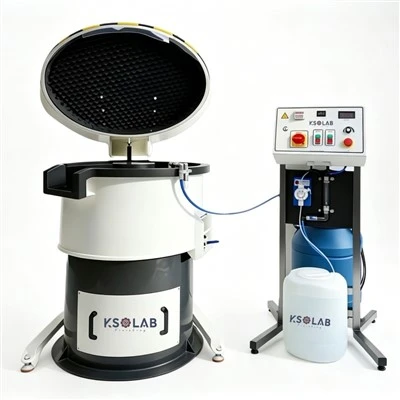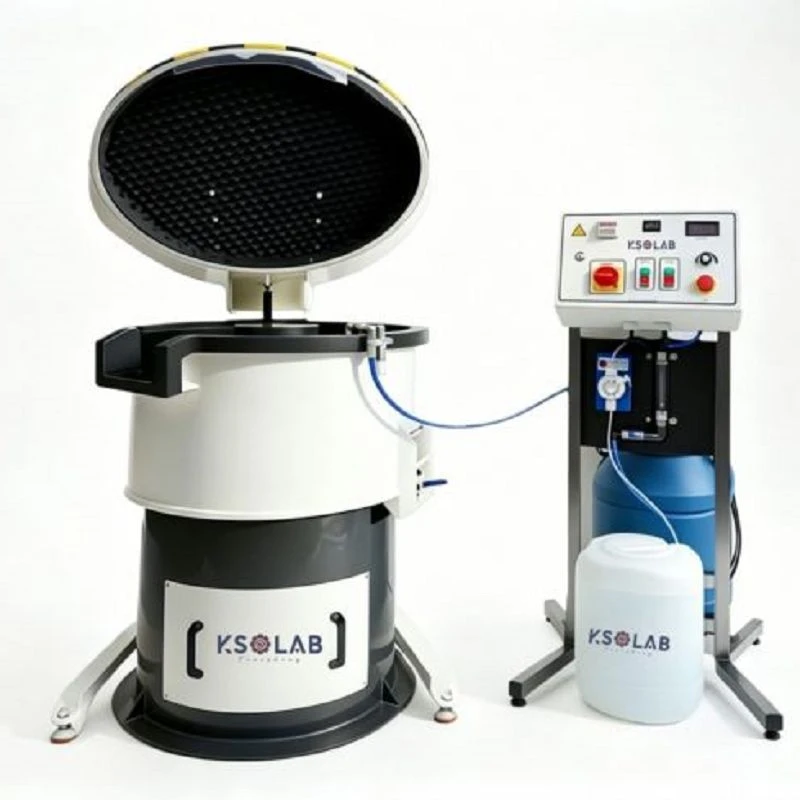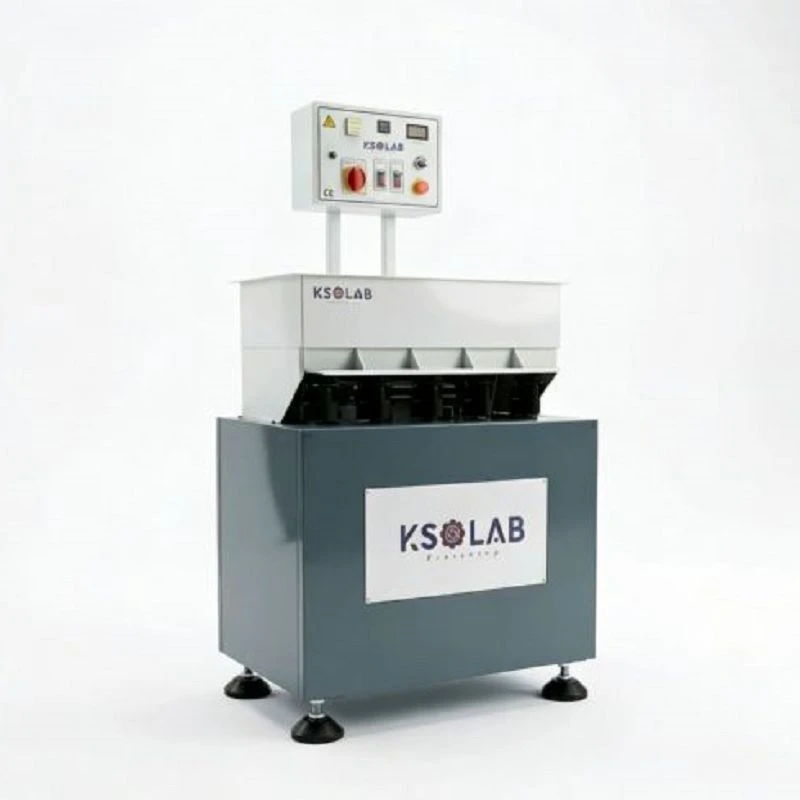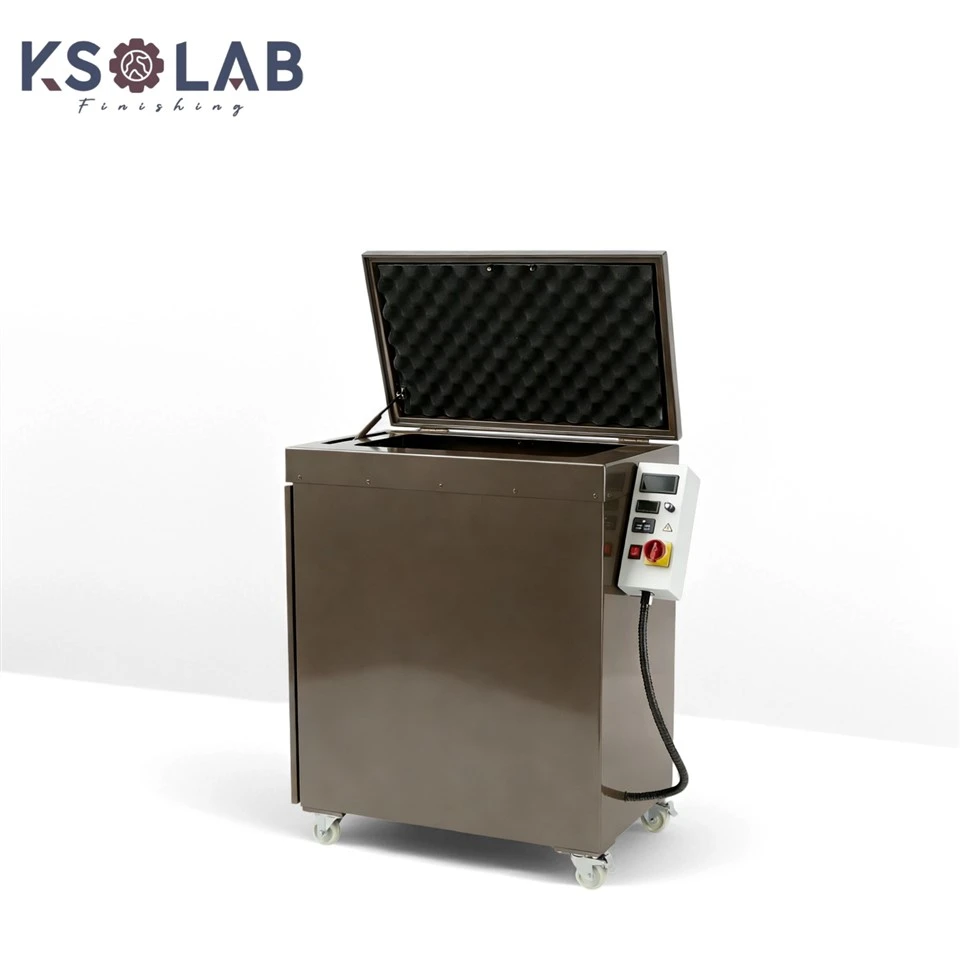
The core principle of a magnetic polishing machine is to use a magnetic field to drive the abrasive media (steel needles, steel balls, etc.) at high speed to grind, deburr, and polish the surface of a workpiece. It is especially suitable for precision, small, and easily deformable workpieces. Specific applicable scenarios are as follows:
Applicable Workpiece Types
Precision Small Parts: Such as electronic components (pins, terminals, connectors), small hardware parts (screws, nuts, springs), jewelry accessories (necklace clasps, earrings, rings), small medical device parts (needles, small supports), etc. These parts are small in size and have high precision. Manual polishing is prone to scratches and inefficient. Magnetic polishing can achieve polishing without dead angles while protecting the workpiece's precision.
Complex Irregularly Shaped Parts: Workpieces with grooves, gaps, blind holes, and internal holes, such as gears, bearings, valves, mold parts, watch straps, bathroom accessories, etc. Traditional polishing equipment has difficulty reaching these hidden areas. Magnetic abrasive media can penetrate deep into the gaps under the action of a magnetic field, achieving all-round polishing and deburring, solving the polishing problem of irregularly shaped parts.
For easily deformable, soft metal parts: such as aluminum, copper, zinc alloys, thin-walled stainless steel parts, and thin sheets, these workpieces have low hardness and are easily deformed. Traditional polishing (such as abrasive wheel polishing and cloth wheel polishing) easily causes workpiece deformation and scratches. Magnetic polishing is a gentle grinding process that can complete polishing without damaging the workpiece.
For batch processing: Workpieces requiring batch surface treatment, such as metal stamping parts, small automotive parts, and electronic components, magnetic polishing machines can achieve batch feeding, automatic polishing, and automatic unloading, significantly improving processing efficiency, reducing labor costs, and providing uniform and consistent batch polishing results, avoiding errors from manual operation.
Applicable Processing Needs
Deburring: For small burrs generated after workpiece processing (such as stamping burrs, turning burrs, and milling burrs), especially suitable for fine burrs and burrs in hidden areas, it removes burrs thoroughly without damaging the edges and corners of the workpiece, eliminating the need for subsequent manual finishing.
Surface Polishing: Brightens workpiece surfaces, removes oxide layers and scratches, achieving a mirror-like finish (matte, semi-mirror, and full mirror effects are possible depending on the polishing medium and processing time). Suitable for workpieces requiring high surface smoothness, such as jewelry and precision instrument parts.
Cleansing + Polishing in One: Some magnetic polishing machines can be used with polishing fluids to remove oil, stains, and oxide scale from the workpiece surface while polishing, achieving a one-step "polishing + cleaning" process, reducing steps and improving processing efficiency.
Chamfering and Trimming: Chamfers and trims the tiny edges and corners of workpieces, making them rounded and smooth, avoiding scratches and damage from sharp edges. Especially suitable for industries requiring precision in edges and corners, such as electronics, medical, and jewelry.
Applicable Industries: Magnetic polishing machines are suitable for the surface treatment of precision metal parts in industries such as electronics and electrical appliances, hardware products, jewelry processing, medical devices, automotive parts, mold manufacturing, and bathroom hardware.