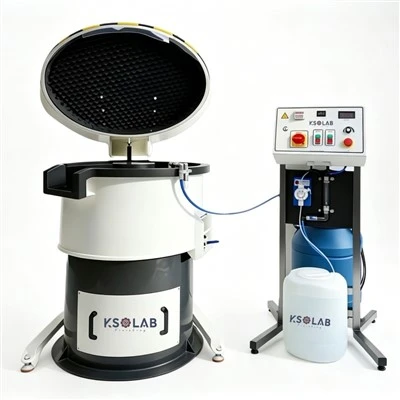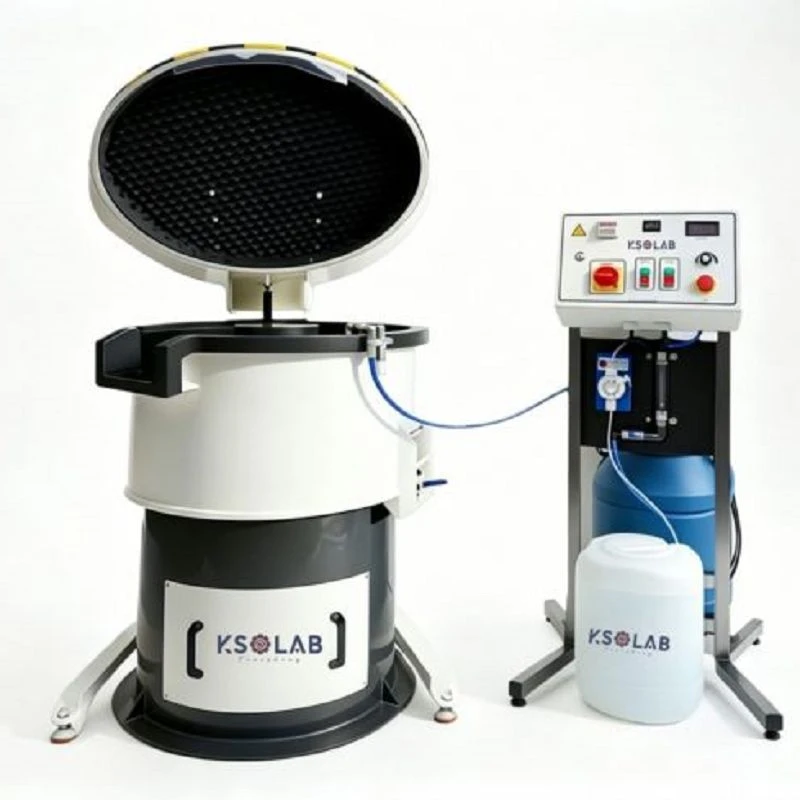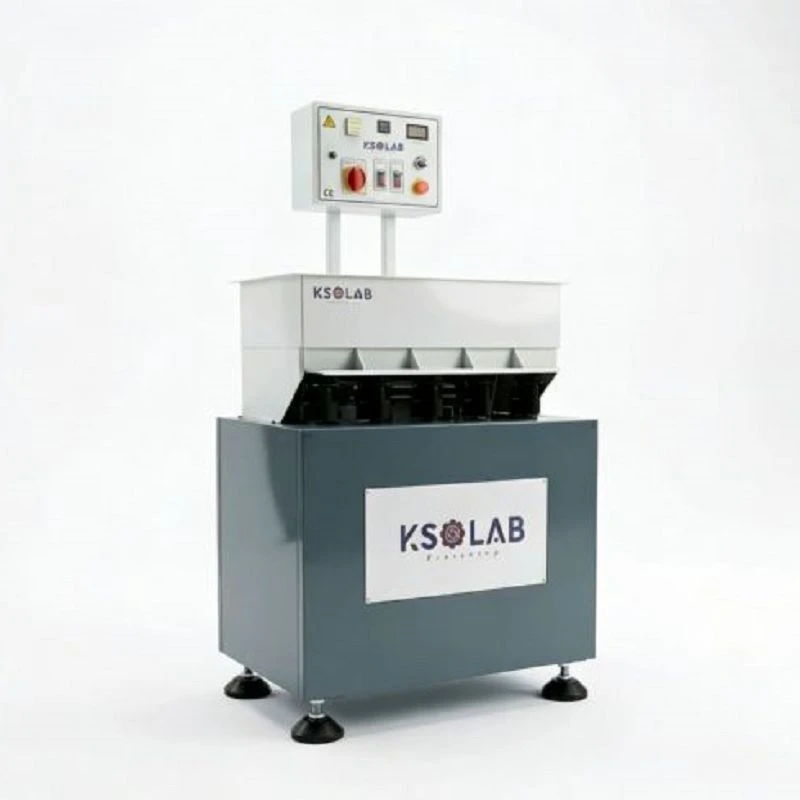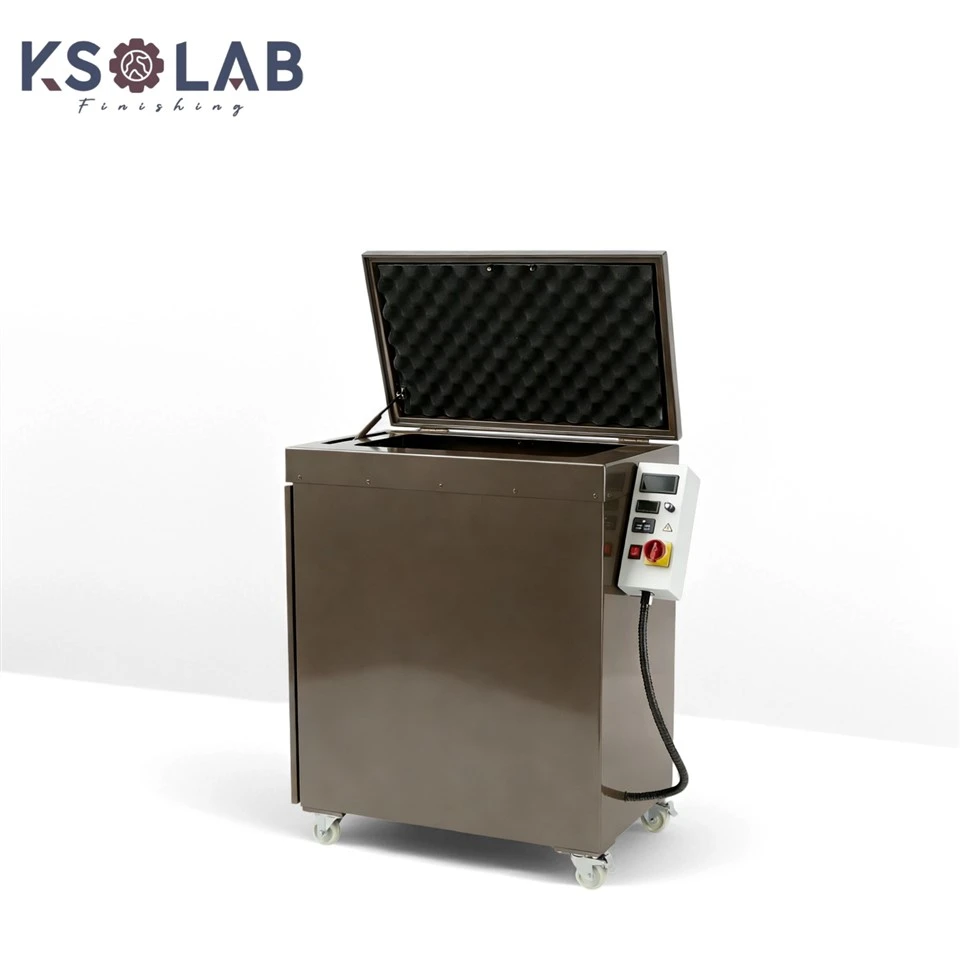
Vibratory polishing machines have a wide range of applications, covering almost all common metals and some non-metallic materials:
1. Stainless Steel: The ideal material for processing. Vibratory polishing effectively removes machining burrs and weld oxide scale, achieving a uniform and bright surface. Commonly used for tableware, medical devices, and hardware accessories.
2. Copper and Copper Alloys: Suitable for brass, copper, phosphor bronze, etc. Polishing restores the metal's natural color, removes oxide scale, and does not damage precision dimensions. Suitable for bathroom fixtures, connectors, and handicrafts.
3. Aluminum and Aluminum Alloys: Vibratory polishing is very gentle on aluminum. Due to aluminum's softness, a gentler abrasive stone and a special aluminum polishing solution should be used to avoid over-grinding. Common applications include mobile phone cases, heat sinks, and die-cast aluminum parts.
4. Zinc Alloys and Magnesium Alloys: Excellent for removing parting lines and burrs from die-cast parts. Care should be taken to control the polishing time to prevent surface peeling.
5. Iron and Carbon Steel: Applicable, but rust prevention is necessary. It is recommended to use polishing fluid with rust-preventive properties, and to clean and apply rust-preventive treatment promptly after polishing.
6. Powder Metallurgy Parts: Vibratory polishing can remove surface powder and minor burrs, improving surface finish. Note that prolonged polishing should be avoided to prevent damage to the dense surface layer.
7. Plastics, Nylon, and Other Non-metallic Materials: Some harder engineering plastics (such as ABS and POM) can also be deburred and have gate marks removed using a vibratory polishing machine. Plastic-specific polishing stones and clean water are sufficient.
Materials Not Suitable For:
Extremely soft materials (such as pure lead and tin) are easily deformed.
Brittle materials (such as ceramics and glass) are prone to chipping.
Large and heavy workpieces (difficult to tumble in the polishing tank).