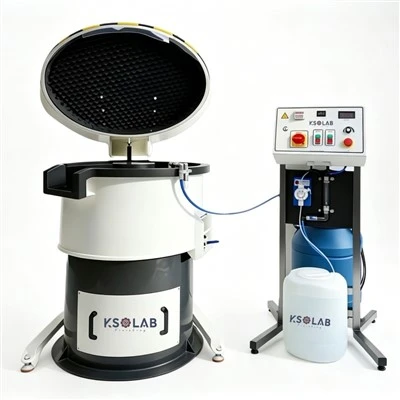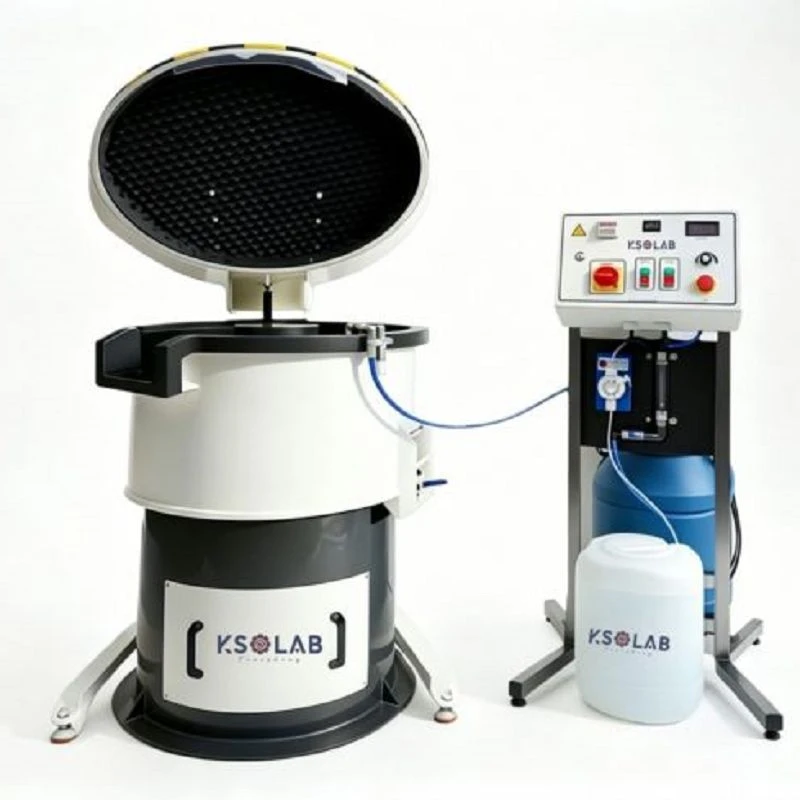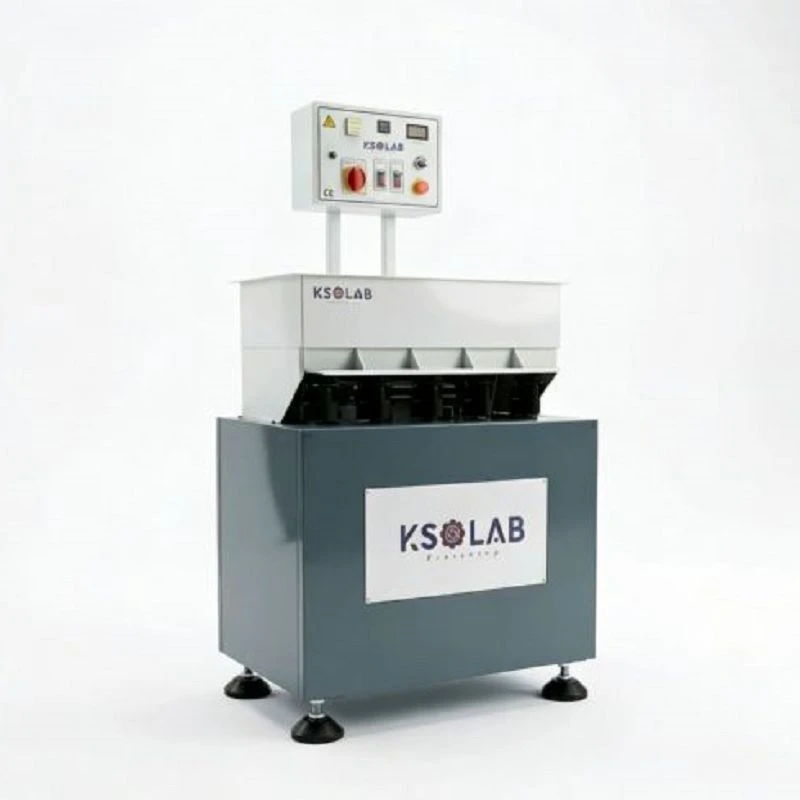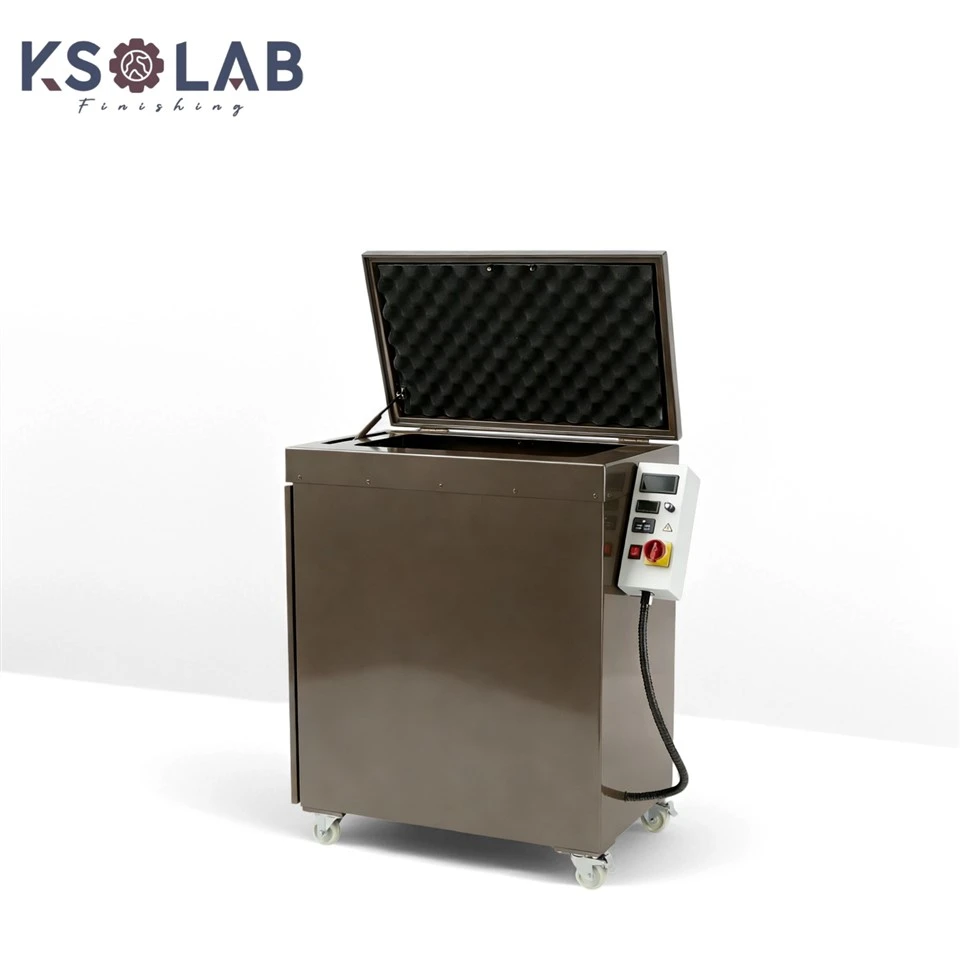
Selecting the Right Polishing Media: Choosing the appropriate polishing media is crucial for improving polishing results. Harder metal workpieces typically require harder polishing media, while softer materials require softer media. The particle size of the media should also be adjusted according to the roughness of the workpiece surface; workpieces with higher roughness require larger particles.
Adjusting Vibration Frequency and Amplitude: The frequency and amplitude of this equipment directly affect the polishing effect. Higher frequencies and smaller amplitudes are suitable for fine polishing, while lower frequencies and larger amplitudes help remove thicker oxide layers and impurities. During operation, these two parameters need to be adjusted appropriately based on the workpiece material, surface requirements, and polishing time.
Mastering Polishing Time: The polishing time for this equipment is usually determined based on the surface quality and requirements of the workpiece. Excessive polishing time may lead to excessive wear on the workpiece surface; insufficient polishing time may not achieve the desired polishing effect. Therefore, operators should determine the appropriate polishing time based on the actual situation.
Regular Inspection and Maintenance: This equipment is susceptible to wear during long-term use, especially components such as the vibrating motor, working chamber, and polishing media. Therefore, regularly checking the equipment's operating status and promptly replacing damaged parts can effectively extend the equipment's lifespan and ensure consistent processing quality.
Safe Operation: When operating the equipment, wear necessary protective equipment, such as earplugs and gloves, to avoid discomfort caused by vibration and noise. At the same time, ensure the machine is securely installed to prevent vibrations from creating safety hazards for the environment and operators.